Adoro

Botanical Research for Metabolic and Nutraceutical Wellness

We are curators of rare botanicals from arid and semi-arid landscapes, developing metabolic wellness supplements informed by rigorous field research. Every product comes with complete sourcing context, research citations, and transparent documentation of what we know and what remains unknown.

Explore Our Specimens

Botanical Expeditions to Arid Lands

Our research begins in the field, documenting plant specimens from regions where water scarcity has driven remarkable metabolic adaptations. These harsh environments produce compounds that our laboratory analysis suggests may support human metabolic wellness.

Desert Terroir Documentation

Each botanical specimen is catalogued with precise geographic coordinates, soil mineral content, seasonal rainfall data, and traditional use documentation from indigenous communities.

Phytochemical Mapping

We conduct comprehensive chemical analysis to identify and quantify active compounds, comparing concentrations across different harvest seasons and growing conditions.

Sustainable Harvesting Protocols

Long-term partnerships with local growers ensure sustainable cultivation practices that preserve both the botanical integrity and the ecological systems where these plants thrive.

Current Field Expedition: Caatinga Biome

Our research team is currently documenting mineral-accumulating plants in Brazil's semi-arid Caatinga region. These plants have evolved unique strategies to concentrate essential minerals from nutrient-poor soils, mechanisms that show promise for human metabolic support. Initial analysis reveals mineral concentrations 3-5 times higher than plants from temperate regions.

Three Metabolic Specimens

Our current collection features three carefully researched botanical formulas, each addressing different aspects of metabolic wellness through compounds documented in peer-reviewed scientific literature.
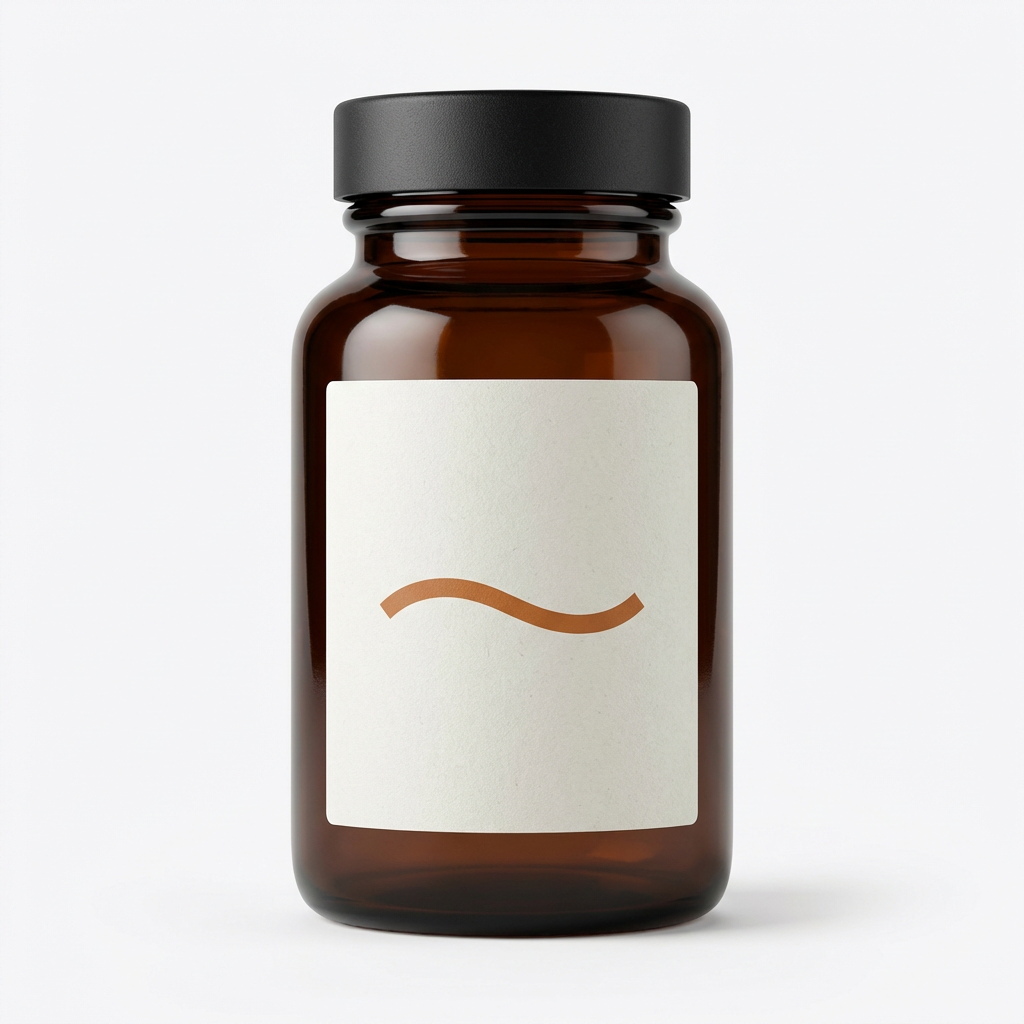
SPECIMEN 001
Botanical Metabolic Blend

Botanical Metabolic Blend

Primary Compounds

Berberine HCl (500mg) from Berberis aristata bark, Fenugreek seed extract (300mg, 50% saponins), Bitter melon extract (200mg)

Field Documentation

Berberis aristata sourced from high-altitude regions of the Himalayas where alkaloid concentrations peak due to UV stress. Fenugreek from semi-arid Mediterranean regions with documented saponin profiles.

Three botanical compounds with published metabolic research, each sourced from traditional growing regions where environmental stress maximizes active compound development. 60 vegetarian capsules with full botanical provenance documentation.

SPECIMEN 002
Arid-Region Mineral Complex

Arid-Region Mineral Complex

Mineral Profile

Chromium picolinate (200mcg), Vanadium (50mcg), Desert salt blend providing 40+ trace elements

Geographic Source

Minerals sourced from ancient sea deposits in semi-arid regions where geological processes have concentrated essential cofactors for metabolic enzyme systems.

These minerals serve as cofactors in metabolic enzyme systems, sourced from ancient mineral deposits where millions of years of geological activity have created unique trace element profiles. Complete mineral analysis documented on every label.
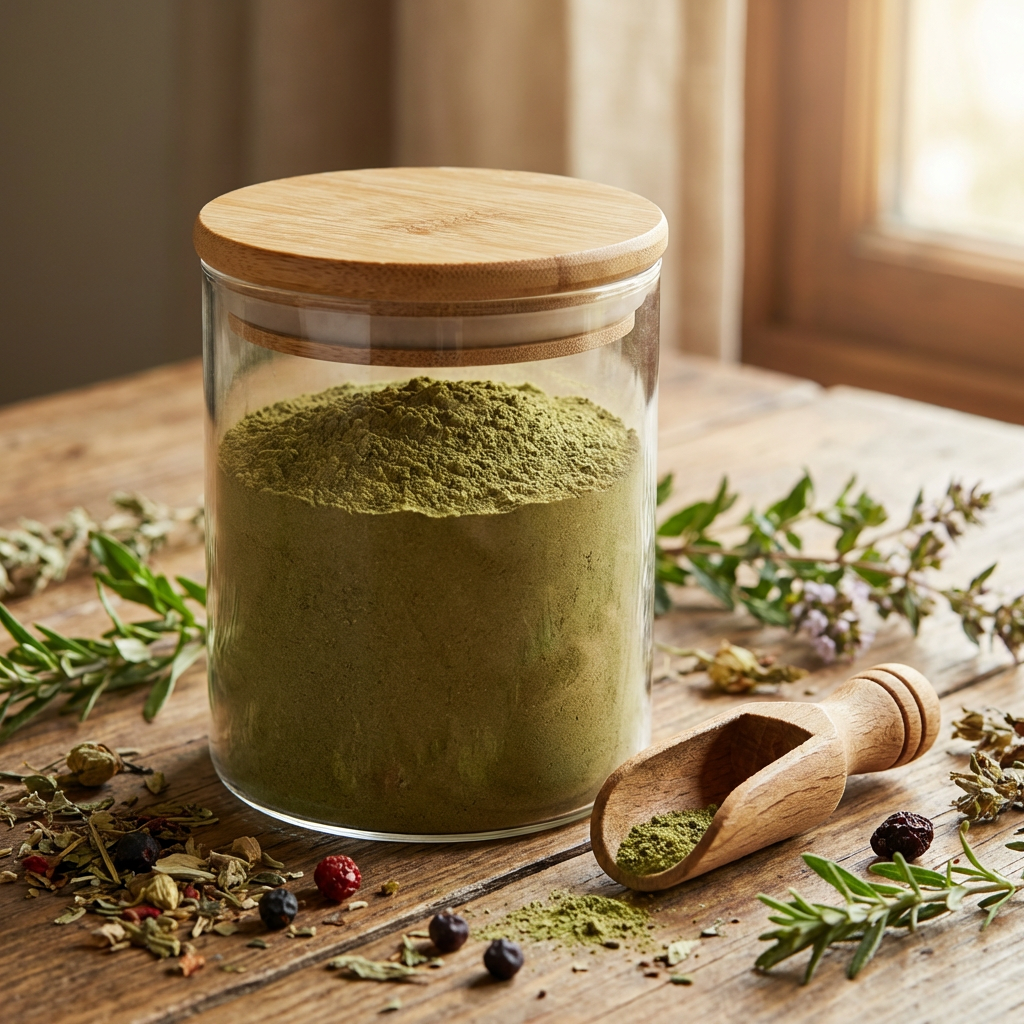
SPECIMEN 003
Botanical B-Vitamin Support

Botanical B-Vitamin Support

Active Forms

Methylcobalamin (1000mcg), Methylfolate (800mcg), Benfotiamine (150mg), P5P (50mg)

Botanical Addition

Combined with Ceylon cinnamon bark extract (500mg) from trees grown in mineral-rich soils of Sri Lankan highlands.

Methylated B-complex vitamins in their active forms for direct metabolic utilization, combined with cinnamon bark extract from trees documented in published metabolic research. These are the specific molecular forms your metabolism can use immediately.

Research Documentation Standards

Every formula we develop undergoes rigorous documentation protocols. We treat our customers as fellow researchers, providing complete transparency about our methodologies, limitations, and ongoing questions.

Botanical Authentication

DNA barcoding confirms species identity for every botanical ingredient, with certificates of analysis from accredited laboratories.

Active Compound Verification

HPLC analysis quantifies target compounds in every batch, ensuring consistency with published research concentrations.

Contaminant Screening

Testing for heavy metals, pesticides, and microbiological contamination exceeds FDA requirements for dietary supplements.

Research Citation Tracking

Every health-related claim includes specific citations to peer-reviewed research, with links to original studies where available.

Bioavailability Documentation

When available, we include human pharmacokinetic data showing how these compounds behave in the digestive system.

Uncertainty Disclosure

We clearly state what remains unknown about long-term effects, optimal dosing, and individual variation in response.

Laboratory Partnership: University of São Paulo

Our phytochemical analysis is conducted in partnership with the Institute of Chemistry at USP, where advanced mass spectrometry equipment allows us to identify and quantify compounds at parts-per-million precision. This academic collaboration ensures our analytical methods meet peer-review standards and contributes to the broader scientific understanding of arid-region botanicals.

From Desert to Capsule Documentation

Our supply chain documentation traces every botanical ingredient from its native growing region through processing, testing, and final encapsulation, maintaining scientific rigor at each step.

Step 1: Field Collection Protocols

GPS coordinates, soil samples, weather data, and photographic documentation for every harvest location. Traditional knowledge interviews with local plant specialists provide cultural context.

Step 2: Post-Harvest Processing

Controlled drying conditions preserve thermolabile compounds. Time-stamped processing logs track temperature, humidity, and processing duration to ensure optimal compound retention.

Step 3: Extraction Standardization

Solvent ratios, extraction time, and temperature are calibrated to match the conditions used in published research studies, ensuring our concentrates contain the same compounds studied in clinical trials.

Step 4: Analytical Verification

Each batch undergoes comprehensive analysis including identity confirmation, potency verification, contaminant screening, and stability testing under various storage conditions.

Step 5: Manufacturing Documentation

cGMP-certified facility maintains detailed records of blending ratios, encapsulation parameters, and packaging protocols. Every lot is traceable to specific raw material batches.

Step 6: Final Product Testing

Finished products are tested for uniformity, dissolution rate, microbiology, and label claim verification before release. Stability studies track potency over the entire shelf life.

Recent Field Dispatches

Updates from our ongoing botanical research expeditions, including new compound discoveries, traditional use documentation, and preliminary analytical findings.

December 2025: Cerrado Savanna Expedition

Documented three previously unstudied Croton species with unusual alkaloid profiles. Local communities report traditional use for metabolic support during seasonal food scarcity. Preliminary analysis shows novel pyrrolizidine structures requiring further investigation.

November 2025: Mineral Spring Analysis

Completed comprehensive analysis of mineral-rich springs in semi-arid Bahia. Water sources contain elevated chromium and vanadium levels, correlating with traditional use of local plants for blood sugar management. Soil samples reveal unique trace element profiles.

October 2025: Seasonal Compound Variation Study

Documented how drought stress affects alkaloid concentrations in Berberis species. Plants harvested during peak dry season show 40% higher berberine content compared to wet season harvests, confirming optimal collection timing.

Ongoing Research Questions

Several important questions guide our current research: How do soil mineral profiles affect plant alkaloid production? Which traditional preparation methods maximize bioavailability of target compounds? What role does plant stress response play in therapeutic compound development? How do genetic variations within species affect compound concentrations? These questions inform our field protocols and analytical priorities.

Botanical Research Notes Subscription

Join our research community to receive field updates, new compound discoveries, and early access to botanical specimens. We send concise, science-focused updates monthly.

Connect with Our Expedition Team

Questions about our research methodology, specific compounds, or sourcing practices? Our team includes botanists, analytical chemists, and ethnobotanical researchers available to discuss our work.

Research Inquiries

For questions about our analytical methods, compound identification, or research partnerships, contact our laboratory team at [email protected]

Product Information

Detailed compound profiles, sourcing documentation, and usage guidance available through our customer research portal or direct consultation.

Field Research Collaboration

Academic institutions and research organizations interested in botanical collaboration are invited to discuss potential partnerships and data sharing agreements.

Phone: +14692168741 | Email: [email protected]

Research Facility: 13 Rua Caroline Leao, Barreiras, BA 47806379, Brazil